
Food and War - The Greatest Crisis Since COVID
Published on 2/4/2026
Food prices have been climbing since 2016, but we are now past the point of “inflation.” We are entering a period of stratospheric escalation. Survival is no longer a buzzword; it is the name of the game.
The Death of the Farm
Is it worth planting food on a farm right now?
The answer is a definitive No.
Let that sink in. Under current conditions, a grain farmer who chooses to plant will not only fail to make a profit—they will actively lose a fortune. No rational person looks at their family and says, “This year, I’ve decided to work 80-hour weeks to earn zero dollars, rack up millions in debt, and ensure our bankruptcy by harvest.”
Because the math has failed, the tractors are staying silent. A year from now, we will face the most severe food crisis in modern history.
The Hard Numbers: The Math of Starvation
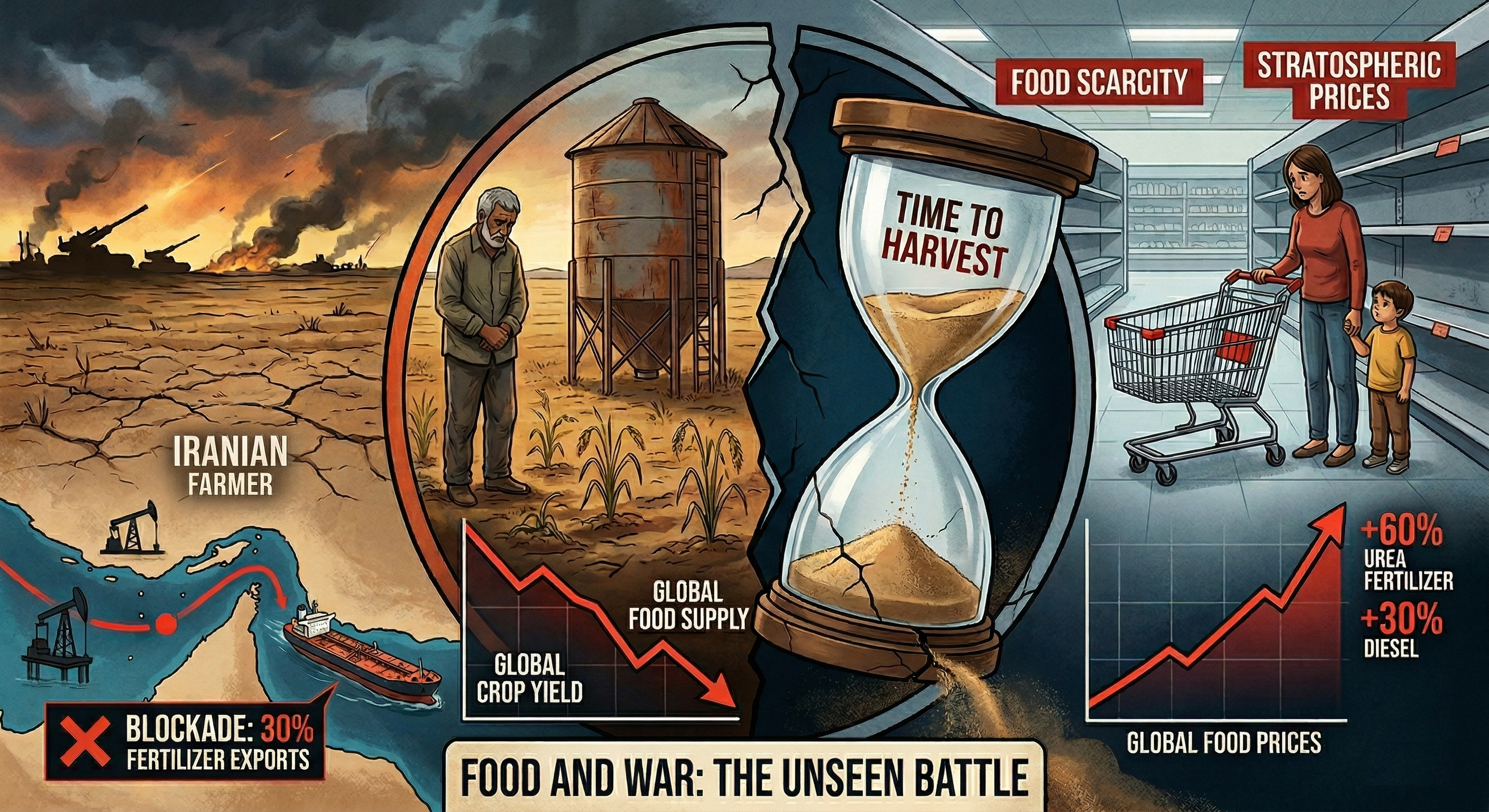
The conflict in Iran has paralyzed the Strait of Hormuz, choking off 30% of the global nitrogen fertilizer supply. This is a systemic collapse of the “Three Fs”:
- Fertilizer: Urea prices have surged to $600 per tonne, a 60% vertical spike.
- Fuel: With oil hovering at $100 per barrel, the energy required to plant, harvest, and transport crops now exceeds the value of the food itself.
- Freight: Shipping surcharges and “war zone” insurance have added $2,000 to $4,000 to every single container moving across the ocean.
When production costs exceed market value, fields go fallow. When fields go fallow, the world stops eating.
The Ripple Effect: Six Months to Scarcity
The empty shelves you see today are a minor inconvenience compared to the harvest that isn’t coming.
- Yield Collapse: Global fertilizer usage has dropped. Low input equals low output. The 2026 harvest will be a fraction of what is required to feed the population.
- Staple Extinction: Farmers are abandoning high-input crops like corn and wheat for easier alternatives. We are looking at a total disappearance of cheap bread and livestock feed.
- The Human Cost: The WFP estimates 45 million additional people will face acute hunger by mid-2026. This is not a “developing world” problem; it is a global supply chain fracture.
The Solution: Local Resilience
The era of cheap, reliable global logistics is dead. It isn’t coming back.
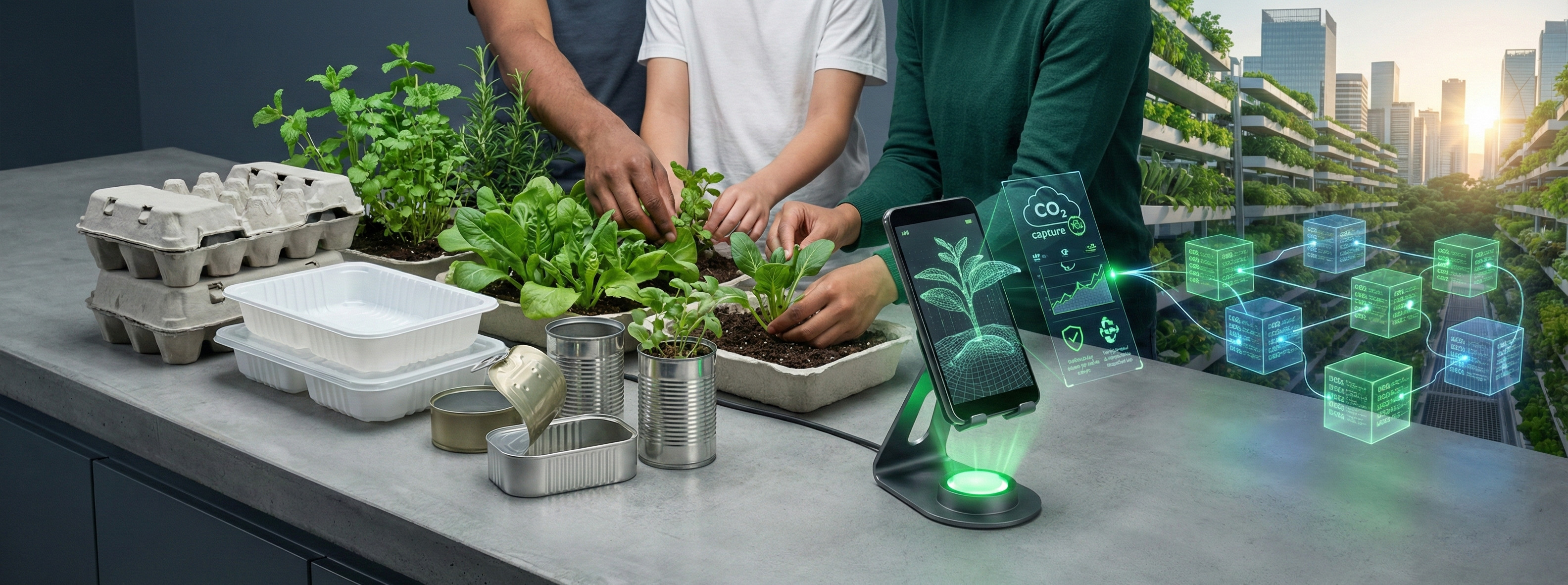
We have to get back to basics. We must grow where we live, harvest where we stand, and take care of our own. Survival depends on shortening the distance between the soil and your plate.
Don’t wait for the shelves to go completely bare.
Join a community that prioritizes transparency, local subcultures, and the knowledge required to navigate this new reality. Secure your food future and stay informed on the shifting landscape.
[Sign up for the Neuracorn App Today]
More posts
Global Agrifood Crisis of 2026: Why Your Groceries are Skyrocketing
8/5/2026
An analysis of input volatility, supply chain disruption, and the systemic tipping point facing global farmers.
Grow the Expensive Parts: A Practical Home-Grown Menu for 2026
18/2/2026
Instead of replacing your weekly shop, grow the ingredients supermarkets mark up the most — herbs, greens, and fresh produce. A simple, practical grow plan.
Why Food Prices Stay High — And What You Can Actually Do
16/2/2026
Food inflation has slowed, but prices haven’t fallen. Here’s why your weekly shop still feels expensive — and how to respond practically.